
Waiting for the Next Cue
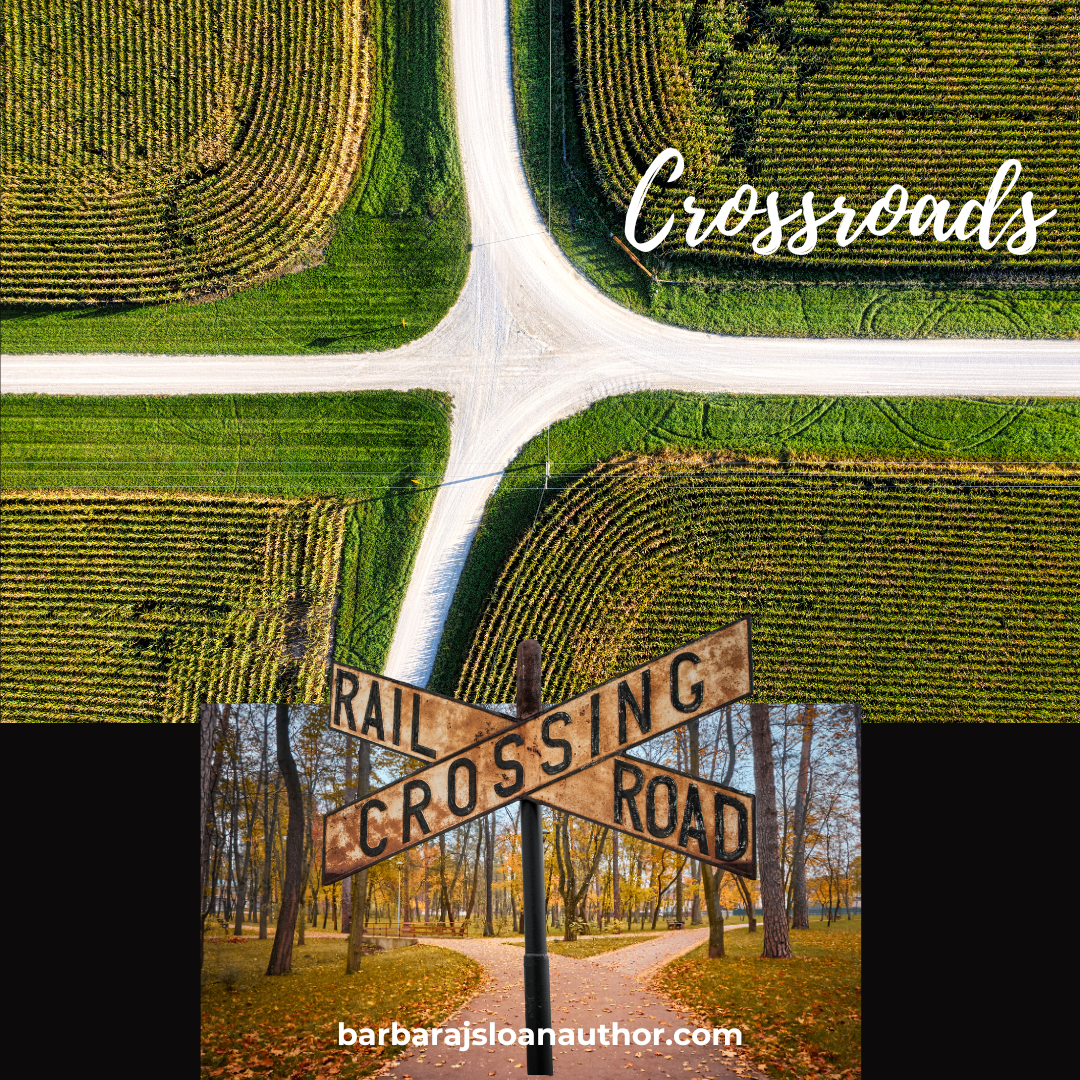
Blog 70
"But one thing I learned from the Saints, when the crossroads are open to you, you must decide a path. I will not stand still while the world makes my choices."
A Character in Carlos Solórzano’s Cruce de vías
A bare stage. Three dark figures churning forward like train wheels. Characters without names, waiting at a crossing.
Carlos Solórzano, the Mexican playwright behind Cruce de vías (Crossroads), created a “Sad Vaudeville” shaped by Absurdism reminiscent of Waiting for Godot, where Man, Woman, and Flagman become less individuals than embodiments of longing, fear, aging, and desire. Though I have not found the script itself, descriptions of its staging linger in the imagination: a world stripped down to essentials, where movement becomes meaning.
Crossroads have long fascinated me. In folklore, they mark thresholds between worlds, liminal places where something hidden might reveal itself. During a pilgrimage to the Isle of Iona, we encountered this idea through Celtic spirituality, which sees crossroads as “thin places,” where the boundary between heaven and earth narrows.
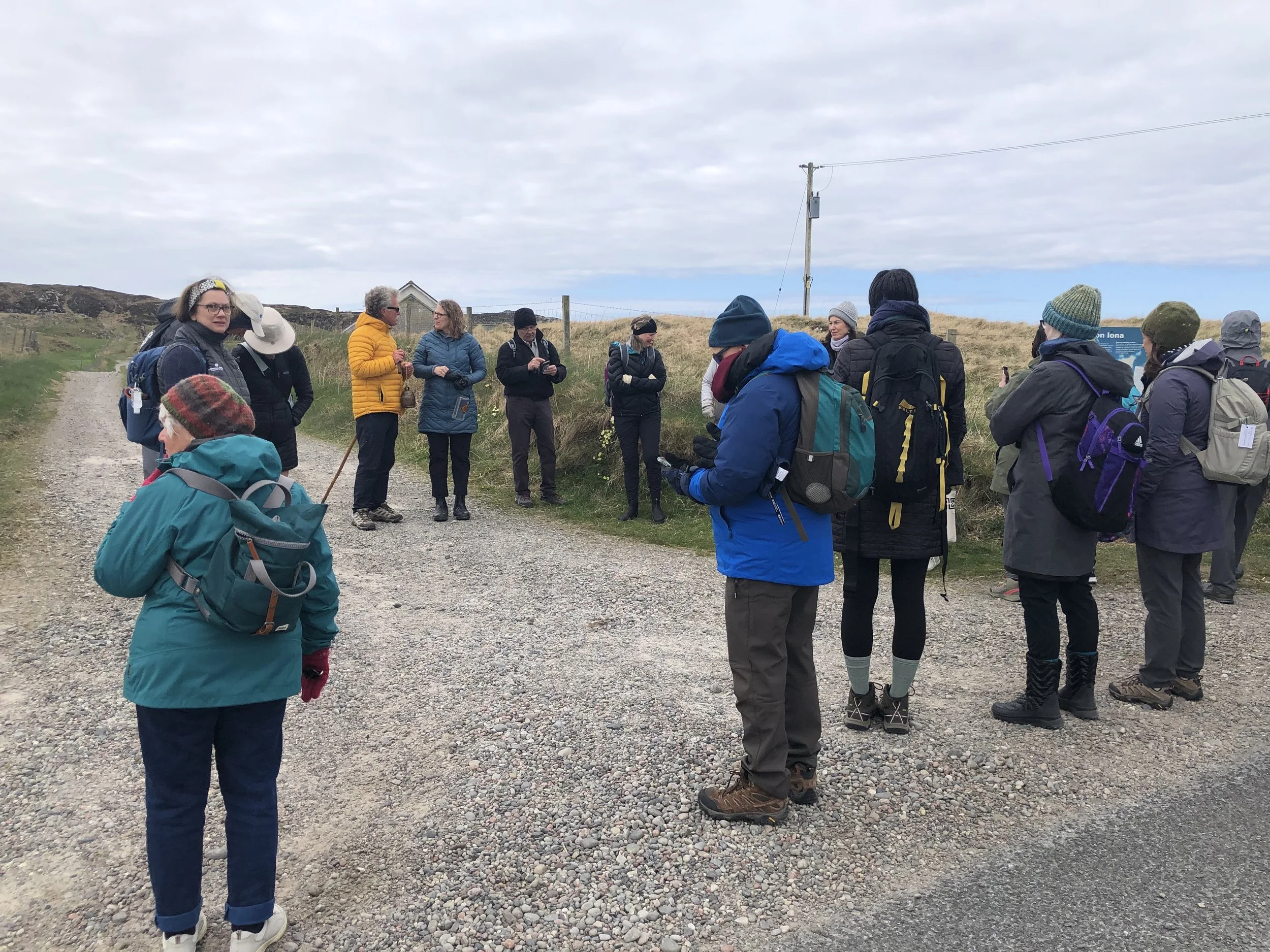
On a daylong walk around the island, we paused at a literal crossroads and reflected together. We had crossed by ferry to reach this historic place seeking reflection, peace, and renewal. Perhaps, like Solórzano’s characters, some of us carried fear, love, or a yearning for a new beginning.
Personal crossroads feel much the same. They are moments when life asks us to choose a direction without guarantees, when we stand like actors waiting for the right entrance. Sometimes these turning points arrive gently; sometimes they are forced upon us.
Have you recently found yourself standing on a bare stage, waiting for the next cue? Retired, lost someone beloved, moved, changed direction, faced a health crisis, or crossed into a new season of life? Such moments can leave us restless or uncertain, grieving what was even as we sense what might be. Stepping forward may feel like moving from bright spotlight into shadowed wings.
"But one thing I learned from the Saints, when the crossroads are open to you, you must decide a path. I will not stand still while the world makes my choices."
At a crossroads, the temptation is to wait for certainty, for a sign large enough to quiet every doubt. Yet the saints, the playwright, and the pilgrim suggest something else: the sacredness lies not only in the place but in the choosing.
Like Solórzano’s nameless figures, we stand on a bare stage between cues, unsure when to move. The script feels unfinished, the lights uncertain. Still, the path does not reveal itself until someone steps forward.
Crossroads do not promise clarity. They promise transformation. And so we stand at these intersections not to find perfect answers but to practice courage, trusting that movement itself becomes prayer. The thin veil may seem thick now, but it is our willingness to cross that makes the journey holy. Every crossroads asks only this: will you remain, or will you begin?