
Anything Goes... Again? Every Generation's Challenge from a Cole Porter Song
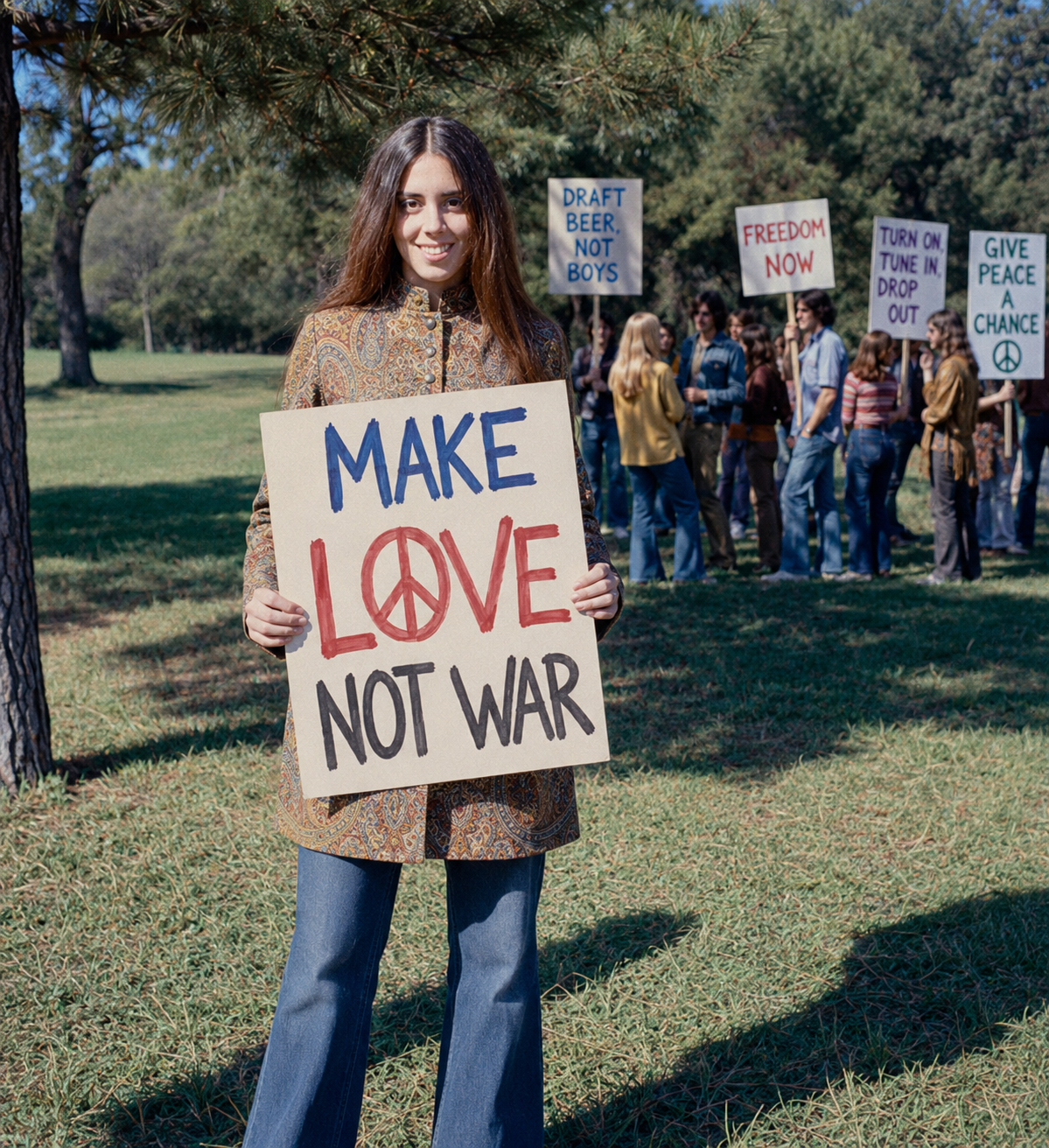
My generation's version of “anything goes” looked a little different.
Blog 76 - Another moment when the theatre reminds me why it has always been my life.
This blog comes from the June 9 entry in my book, Theatre Is My Life! It has been updated a bit.
In the song “Anything Goes” from the musical Anything Goes, Reno, Passengers and Crew sing about how today, all things seem acceptable in behavior, fashion, or speech. (Listen to the work online or from your library!)
Sung by Reno, Passengers and Crew in Anything Goes with music and lyrics by Cole Porter and original book by Guy Bolton and PG Wodehouse, revised by Howard Lindsay and Russel Crouse
I often talk about my love for Cole Porter, and he was born on this day (June 9) in 1891 to a wealthy family in Indiana—so I can hardly pass up the occasion to write about him. He thwarted the dreams of his authoritarian grandfather by pursuing music and composition instead of a law degree. Even though he was classically trained in music, he loved theatre and wrote a number of works for the stage.
For people living through the 1930s and ‘40s in America, Porter’s music defined their era. His Associated Press obituary stated that, “Mr. Porter wrote the lyrics and music for his songs, and to both he brought such an individuality of style that a genre known as ‘the Cole Porter song’ became recognized. The hallmarks of a typical Porter song were lyrics that were urbane or witty and a melody with a sinuous, brooding quality.”
Anything Goes, a classic hummable musical produced in 1934, delighted audiences years before Oklahoma! brought a serious side to Broadway. The song of the same name is sometimes called “the American anthem to naughtiness.” It extols unfettering from social standards, and humorously exalts the virtues of such risqué behavior as spouting four-letter words, octogenarian romance, nudist parties, fast cars, and peeking at ladies ankles through stockings. By the way, who even wears stockings today?
“Anything Goes” starts with words about how things have changed in America since the Pilgrims landed. But somehow the scandalous behavior described in the song seems almost quaint today. What disturbed audiences in 1934 barely raises an eyebrow now. Yet every generation has its own list of things that seem beyond the pale.
"Anything goes" means something different depending on what a generation is trying to change. For Porter in 1934, "anything goes" meant showing more than a little ankle and flirting with convention. For my generation, it meant challenging racism, war, sexism, and entrenched authority while wearing flamboyant clothing and fringed boots. And today, many young people are arguing over an entirely different set of boundaries.
When I was in college during what some critics call the “anything-goes-1960s,” some of us offended our elders by questioning authority, doubting bureaucracy, opposing the status quo, and deriding the American Dream. Our fashions moved from the shocking Mod Look and mini skirt to the Hippie and Bohemian phase. And young men’s hair was scandalously long!
Though the greatest disturbance at my university was a brief food strike, other students in the country burned flags, pushed their presidents out of administration offices, confronted law enforcement, and stormed buildings ...until some campuses looked less like universities and more like barricade scenes from Les Misérables.
John Lennon and his music spoke to my age as Porter did to his. Lennon once put our era into perspective, conceding, “The thing the sixties did was to show us the possibilities and the responsibility that we all had. It wasn’t the answer. It just gave us a glimpse of the possibility.” Imagine, he might say.
Some of the violence and lack of principles in the ‘60s was disturbing. But the liberal energy generated in those years hastened such “possibilities” as civil rights, gender equality, a call for peace in Vietnam, and a reckoning of political, economic, and life priorities.
Almost none of those promising potentials quite played out to completion. Today, it feels as though we are having to put back on our Nehru jacket and Hippie bead battle attire and fight some of those same crusades again. The “anything” we wanted to go was bigotry, discrimination, and hate—and yet, those very attitudes have raised their ugly heads once more.
Cole Porter laughed at the rules of his day. My era challenged a different set of assumptions. Today's generation is wrestling with still another. The scenery and costumes change, but the debate remains remarkably familiar.